
Pilot program improves care for rural older adults
(Photo by Brett Wharton on Unsplash)
Connected Care for Older Adults is a pilot program in rural Oregon that uses community health workers (CHWs) to improve care for older adults. These CHWs are trained in age-friendly care and embedded in primary care teams. Patients are referred to the program by their primary care provider (PCP) if they are 55 years and older, living independently in a rural community, and considered medically frail.
CHWs visit participating patients at home over a 90-day period and implement the Connected Care protocols based on the Age-Friendly Health Systems’ 4Ms Framework: What Matters, Medication, Mentation, and Mobility. CHWs provide information and education to patients and families, connect them with existing community resources, and relay information about a patient’s health-related goals and priorities back to the PCP.
The goals of the program are to
- improve the quality of care delivered to older adult patients;
- improve the patient, caregiver, and provider experience with care;
- integrate the 4Ms into primary care; and
- decrease emergency department visits and hospitalizations among participating patients.
Early findings and feedback from participating patients, caregivers, providers, and CHWs suggest that this is a promising approach to delivering age-friendly care.
“I’ve had an evolution in my own thinking as a result of this program,” says one Connected Care CHW. “The 4Ms really hit on key areas for our older patients. In a rural area, our people are so isolated. [Connected Care] brought us into their homes in a way that wasn’t threatening or invasive, but just helpful. Our observations in the home were able to help the provider focus on areas that would make a difference for the patient.”
“Being able to have someone come to your home and see your home setup is very helpful,” one patient shares. “Having that as an option is excellent."
Caregivers also appreciate the support that CHWs can provide. “Having this program helped get in-home care organized and kept [Mom] from moving into a facility,” one caregiver says. “Having a go between us and the PCP meant we were able to get medical care faster and more efficiently.”
With support from AARP, the Connected Care CHWs recently started using My Health Checklist developed by the Institute for Healthcare Improvement's Age-Friendly Health Systems team with support from The John A. Hartford Foundation. My Health Checklist provides a framework for patients and their loved ones to think about what matters most in their life and their care. These conversations can lead to important insights about what truly matters to patients in their later years. Are they dreaming of attending an upcoming wedding or anniversary party? Are they worried about recent changes in their memory and what that might mean for their independence? Identifying what matters and sharing it with a provider can inform health care decisions down the road.
Having those conversations about what matters, while not always easy, can help get a patient, their family or caregivers, and their health care team on the same page, working together to achieve the patient’s goals for their future.
NRHA adapted the above piece as part of the association's Rural Community Health Workers Community of Practice, supported by AARP, for publication within the Association’s Rural Health Voices blog.
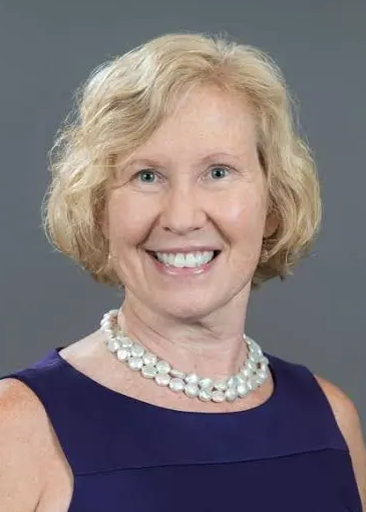 | Elizabeth Eckstrom, MD, MPH, MACP, is professor and chief of geriatrics in the division of general internal medicine and geriatrics at Oregon Health & Science University. Her research focuses on promoting a healthy lifestyle in older adults, with an emphasis on tai chi. Her newest book, The Gift of Aging, shares research-based strategies and motivating stories of elders to help us all age with joy, purpose, and engagement. |
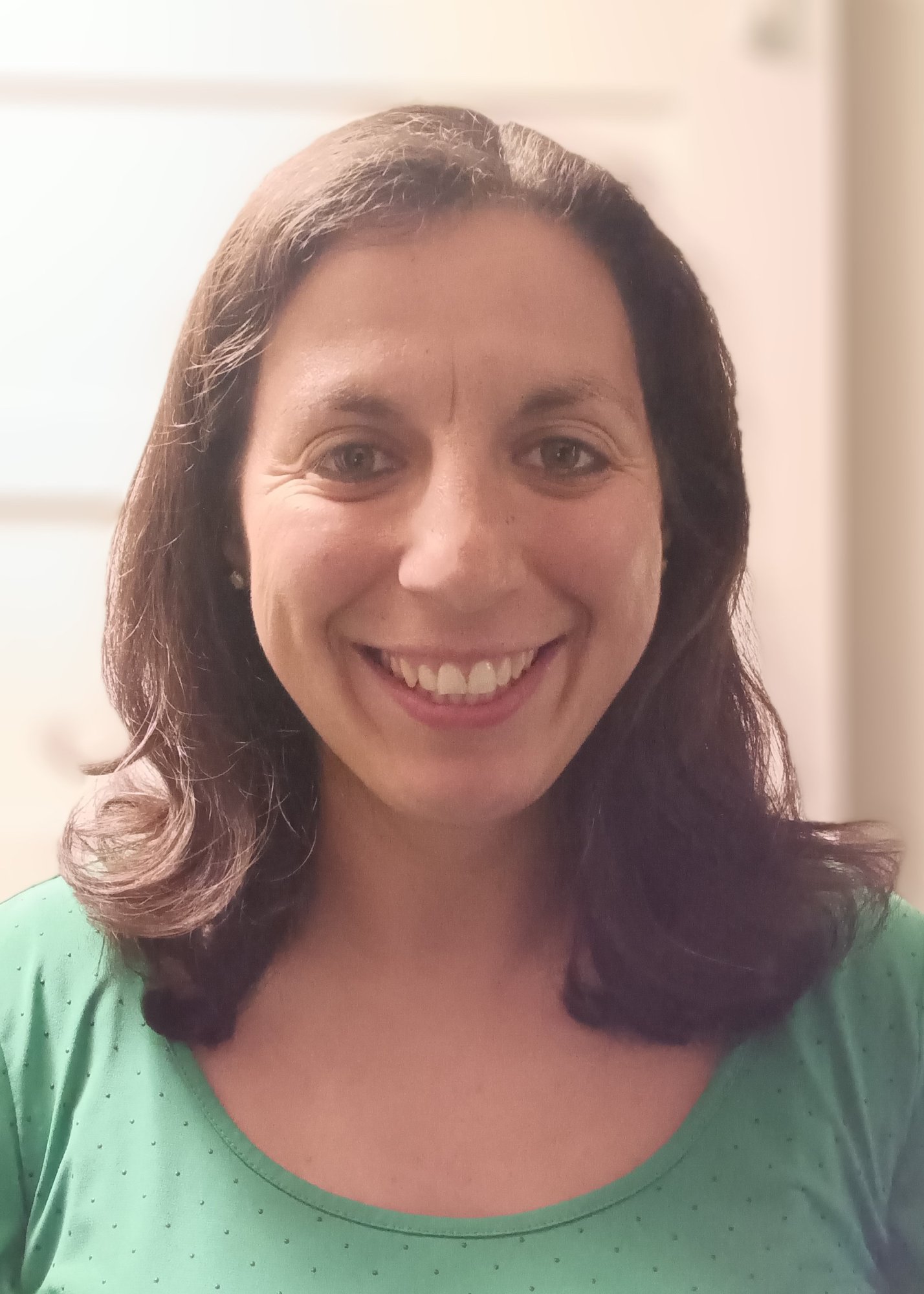 | Bryanna De Lima, MPH, is a data analyst in the division of general internal medicine and geriatrics at Oregon Health & Science University. Her research focuses on the 4Ms of age-friendly care in all care settings. She has contributed to research projects related to safe prescribing in both inpatient and outpatient settings, improving advance care planning, fall prevention, and identifying health disparities in primary care. |
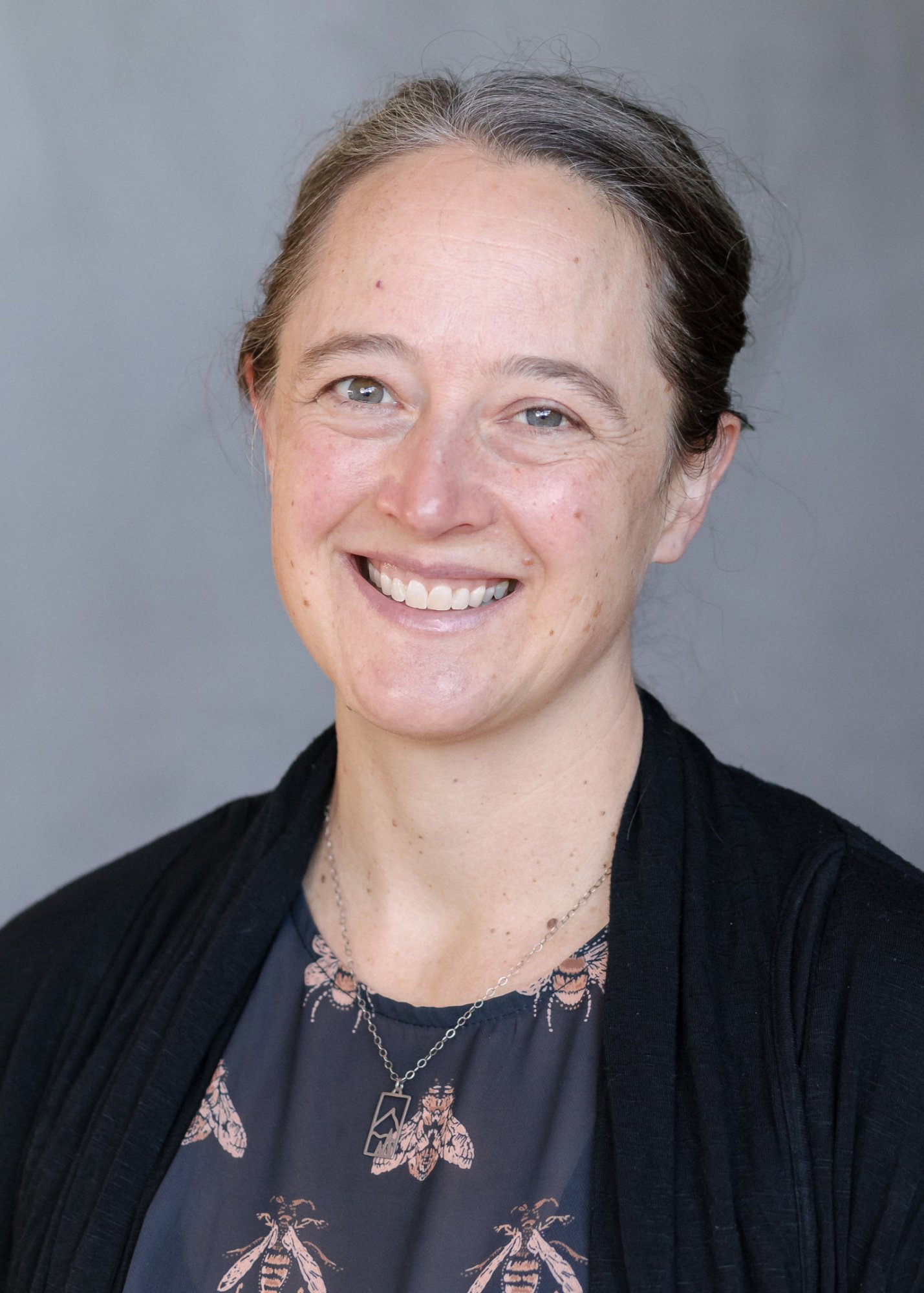 | Lindsay Miller, MBA, is an independent strategy and organizational development consultant and serves as the project lead for the connected care for older adults pilot at the Columbia Gorge Health Council. She played a key role in the development of the connected care protocols and service model, and now supports the implementation and evaluation of connected care at six rural clinics across Oregon. |